EasyBudget - Budget planning
- 4.0
- Rating
- 500.00K
- Installs
- Free
- Price
 Analysis by App-foxy
I found EasyBudget most useful when I treated it as a quiet monthly checkpoint rather than a complete financial command center. It is a free finance app from Wallet Passes Alliance, built around the simple task of planning a budget and keeping spending within it. After using it through ordinary mobile situations, my impression is that its appeal comes from reducing the mental load of budgeting: instead of reaching for a spreadsheet every time, I can open one focused tool and look at the month as a manageable plan.
That simplicity is also the main thing to understand before installing it. EasyBudget is aimed at people who want a straightforward way to organize monthly money, not necessarily users looking for a full banking dashboard, investment tracker, bill-negotiation service, or elaborate financial analytics suite. The app has earned a 4.0 average from around 21 thousand ratings, with more than 500 thousand installs, which suggests that its uncomplicated approach has found a substantial audience. I think it works best for someone who wants a repeatable budgeting habit without turning personal finance into a second job.
How EasyBudget feels when your connection is part of the experience
I find that connection matters most at the moments when I’m trying to turn a quick check into a confident decision. My approach is to use EasyBudget for the plan I’ve deliberately set, while treating my bank as the place to verify actual available funds; that simple handoff keeps a budget from being mistaken for a live account balance. It also makes the next question practical: how to make the monthly plan useful in the middle of ordinary spending.
You May Also Like

 Blood Strike: 2.5 Anniversary
Blood Strike’s Loadouts Turn Every Drop Into a Tactical Gamble
A close look at Blood Strike’s custom loadouts: how fast access to signature weapons reshapes its battle royale rhythm, rewards preparation, and narrows the gap between fights.

 Pandora - Music & Podcasts
Pandora’s Music Is Easy to Start, but Harder to Recover
Pandora’s strength is its low-effort path from a seed to a station. Its weak spot is how much confidence it asks you to place in connection, setup, and quiet recovery.

 8 Ball Pool
 Is Built on Rivalries, Rematches, and Routine
A close look at the rivalries, rematches, shared routines, and unanswered safety questions that turn a quick pool match into a persistent mobile community.

 Samsung Music
’s Quiet Strength Is Playing What You Already Own
Its reach comes less from spectacle than from dependable access to a personal library. That simplicity is both the app’s strongest retention engine and its ceiling.

 AccuWeather: Weather Radar
AccuWeather Review: A Quick, Clear Forecast for Everyday Decisions
For everyday plans, the best forecast is the one you can understand quickly. AccuWeather makes rain timing, radar, and local conditions easy to act on, with a few trade-offs.

 Hill Climb Racing
Why Hill Climb Racing Still Turns Crashes Into One More Run
A tiny car, a bumpy hill and one more upgrade: Hill Climb Racing keeps resurfacing because its simple chaos makes every near-miss feel personal.
More From Our News Desk



Planning before the month gets busy
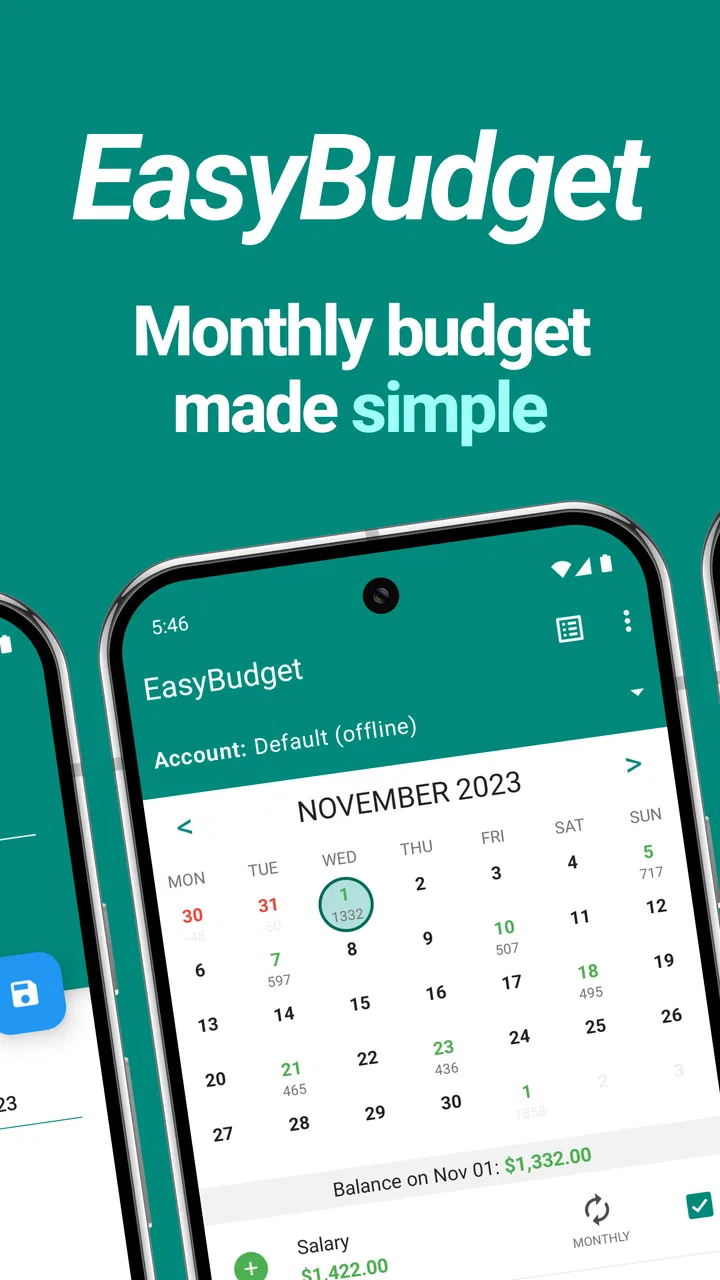
The most useful moment for me was at the beginning of a month, before everyday purchases started to blur together. I could sit down, think through the money available for the period, and arrange a basic spending plan instead of relying on memory. That small act changes the role of the app. It becomes less about recording every past decision perfectly and more about giving upcoming spending a boundary.
I recommend setting up the plan when you have a stable connection and a few uninterrupted minutes. That is not because I would assume anything about how the app behaves without a network connection; the important practical point is that initial setup is easier when the phone is in a reliable state and you are not rushing between places. A budget created while waiting for a train or walking between appointments is more likely to be incomplete, especially if you still need to think through recurring commitments.
Once the month is underway, I use the app as a prompt to pause before spending rather than as a replacement for my bank. That distinction matters. A budgeting tool can show the plan I entered, but it should not be treated as an automatic statement of what is currently available in a bank account unless the app specifically offers that kind of connection. For me, the safest workflow is to check the real account separately, then update my budget deliberately.
What happens in mobile contexts
EasyBudget fits short sessions well. A phone is always nearby, so I can review the plan after shopping, before ordering food, or when deciding whether a nonessential purchase belongs in the current month. The interface’s value is not that it makes a complicated financial decision disappear. It makes the decision harder to ignore.
There is a useful psychological advantage in keeping the budget on the same device I use for daily life. I do not need to wait until I am at a computer to remember what I intended to spend. On the other hand, mobile convenience can encourage rushed entries. My advice is to make quick checks on the move, but reserve actual budget changes for a calm moment. If I alter a category impulsively just to make a purchase feel comfortable, the plan stops being a guide and becomes a record of excuses.
The app is also a reasonable fit for people who dislike spreadsheets. A spreadsheet can be more flexible, but it asks you to design the structure, maintain formulas, and decide how much detail is useful. EasyBudget’s focused purpose removes that setup burden. The trade-off is that users who enjoy building custom financial models may find it less satisfying than a spreadsheet or a more advanced money-management platform.
A realistic everyday routine
Imagine I receive my monthly income and know that rent, transport, groceries, and a few personal expenses must fit around it. I would open EasyBudget during a quiet part of the day, create the month’s plan, and give each major area a realistic limit. Later, after buying groceries, I would check the budget before making another discretionary purchase. If the remaining amount looks tight, I have a clear reason to wait; if there is room, I can spend with less uncertainty.
The important insight is that the app is more valuable when I update it consistently than when I fill it with excessive detail. A plan divided into useful, recognizable areas is easier to maintain than one that tries to classify every tiny purchase. I would rather have a simple budget I actually revisit than an impressively precise one that I abandon after a week.
When connectivity becomes a practical concern
Network conditions shape the experience mainly around access and timing. If I am trying to review or change a budget in a place with weak service, I do not want to make assumptions about whether the latest state is available or whether a change has completed. My practical habit is to prepare important updates before leaving reliable coverage and to avoid treating a loading screen or interrupted action as confirmation that the plan changed.
This is especially relevant when budgeting at a checkout. A busy store is a poor place to troubleshoot an app, compare figures, and make a decision under pressure. I prefer checking the plan before entering the shop, then using the phone only for a quick reference. That approach reduces both connection-related uncertainty and the temptation to make a rushed adjustment.
Recovering from interruptions without losing control
Any finance app deserves a cautious recovery routine. If the app closes, the signal drops, or I am unsure whether an edit went through, I would not immediately repeat the same action. I would first reopen EasyBudget, inspect the current budget, and compare it with the last figure I clearly remember. Repeating an uncertain entry is how small mistakes become confusing totals.
I also recommend keeping a short mental or written note when making a significant change, such as moving money from one spending area to another. That does not mean maintaining a second full budget. It simply gives me a reference point if the app needs to be reopened or if the phone changes networks during the process. The more important the adjustment, the more useful this small pause becomes.
For a monthly planner, recovery is less about dramatic technical failure and more about preventing ambiguity. I want to know whether I am looking at the intended month, whether an edit was saved, and whether the numbers still reflect my real plan. EasyBudget encourages a simple workflow, but the responsibility for checking important financial decisions remains with me.
Using less data without making the budget less useful
I do not need to enter every detail of my life to get value from this app. A data-conscious approach is to begin with the few spending areas that genuinely influence monthly decisions. Housing, food, transport, and flexible personal spending usually tell me more than a long list of tiny labels. This keeps the budget easier to review and reduces the amount of information I have to maintain.
I would also avoid entering sensitive information that is not necessary for the budgeting task. EasyBudget’s purpose is planning, so I can use broad descriptions rather than turning the app into a diary of every purchase. For example, a general grocery entry may be enough for my monthly decision-making; I do not need to create an elaborate record of each item unless that level of detail serves a clear purpose.
There is a trade-off here. Less detail makes the plan quicker and more comfortable to maintain, but it can hide the reason a category is shrinking faster than expected. My solution is to start broad, then split a category only when a repeated problem appears. If food spending is consistently difficult to control, I might separate groceries from eating out. That creates useful insight without making the whole budget complicated from day one.
How it compares with familiar alternatives
Compared with a paper notebook, EasyBudget is easier to carry and revisit during the month. A notebook can feel reassuringly private and flexible, but it does not provide the same convenience when I want to check a plan while away from home. Compared with a spreadsheet, EasyBudget is less demanding to maintain, though a spreadsheet remains the stronger choice for custom formulas, long-term analysis, or unusual household arrangements.
Against a full-featured finance platform, the app’s narrower focus can be an advantage. I am less likely to get distracted by features I do not need when the immediate goal is simply to plan monthly spending. However, someone who wants automatic account aggregation, detailed reports, shared household controls, or broad financial tracking should look for a tool designed around those needs instead. EasyBudget should not be chosen merely because it is free if the user actually needs a connected financial overview.
Who will benefit most from the simple approach
I would recommend it to a first-time budgeter, a student managing a limited monthly amount, or anyone who repeatedly intends to budget but gives up when the process becomes too elaborate. It is also useful for someone who wants a lightweight monthly ritual: set a plan, check it during ordinary spending, and adjust thoughtfully when circumstances change.
It is less suitable for people who need detailed financial history, complex shared budgets, or a single place to monitor accounts and investments. It may also frustrate users who expect the app to make financial decisions automatically. The value here comes from the structure I create and the attention I give it. EasyBudget can make that structure easier to use, but it cannot replace judgment.
Version, access, and cost considerations
EasyBudget is currently at version 4.1.0 and supports devices running Android 7.0 or later. It is free to install, with optional in-app purchases ranging from $0.99 to $99.99 per item. I would start with the free experience and decide only afterward whether any paid option solves a problem I actually have. A budgeting app should save mental effort, not pressure me into paying before I understand my routine.
The Everyone content rating makes it approachable for a broad audience, although younger users still benefit from guidance when deciding what information to record and how to interpret a budget. The developer, Wallet Passes Alliance, has kept the product positioned as a practical finance tool rather than an intimidating professional system, and that helps explain its accessibility.
My connectivity verdict
Connectivity does not define EasyBudget’s purpose, but it does affect when I feel comfortable using it. I get the best experience by preparing the monthly plan in a reliable setting, checking it briefly on the move, and avoiding uncertain edits during weak service or busy transactions. That routine keeps the app in its proper role: a personal planning aid, not a substitute for checking real account balances.
After using it this way, I see EasyBudget as a sensible choice for people who want a clear monthly framework with minimal fuss. Its strongest feature is restraint. It asks me to think about where money should go without burying the task under a large financial dashboard. The limitation is equally clear: users seeking automation, deep reporting, or connected account management will probably outgrow it.
For my own recommendation, I would tell a friend to try it if the main problem is inconsistency rather than financial complexity. Start with a few meaningful categories, create the plan while connected and unhurried, and review it before making discretionary purchases. The best results come from using EasyBudget as a regular decision-making habit, not as a last-minute explanation for money already spent.
FAQs for EasyBudget - Budget planning
01What is EasyBudget - Budget planning, and who is it designed for?
EasyBudget - Budget planning is a personal finance app designed to help users organize income, expenses, and savings goals in one place. After reviewing its budgeting workflow, it appears particularly useful for people who want a straightforward overview of their spending without dealing with complicated financial tools. It can suit beginners, students, families, and anyone trying to build better day-to-day money habits.
02How does EasyBudget help users manage their monthly budget?
The app lets you plan a budget by recording expected income and assigning amounts to different spending categories. As transactions are added, you can compare your actual expenses with your planned limits and identify areas where you may be overspending. This approach makes it easier to monitor recurring costs, control discretionary purchases, and adjust your plan when your financial situation changes during the month.
03Can I use EasyBudget without connecting my bank account?
EasyBudget is suitable for users who prefer manual budget tracking rather than linking their bank accounts to an external service. You can generally enter income and expenses yourself, which gives you more control over the information stored in the app. However, manual entry requires consistency, so users should remember to record purchases regularly if they want the reports and remaining-budget figures to stay accurate.
04Is EasyBudget - Budget planning free to download and use?
The app may be available to download at no initial cost, but some features can depend on the version offered through the Google Play Store or Apple App Store. Before installing, check the current store listing for advertisements, optional purchases, subscriptions, or premium budgeting tools. Pricing and included features can change, so reviewing the latest details is important before committing to any paid option.
05Is my financial information safe when using EasyBudget?
Because budgeting apps can contain sensitive information about income, bills, and spending habits, privacy should be considered before entering personal data. Review EasyBudget’s privacy policy, permissions, backup options, and data-handling practices in the relevant app store listing. Avoid entering highly confidential banking credentials unless the app clearly explains how they are protected, and use device security features such as a screen lock.
Pros
- Simple interface makes daily expense tracking quick and approachable.
- Flexible categories help organize spending around personal priorities.
- Budget overviews make it easier to spot overspending early.
- Useful for managing finances without complicated investment features.
- Lightweight design should run smoothly on most modern devices.
Cons
- May feel too basic for users needing advanced financial reports.
- Manual entry can become tedious when recording many transactions.
- Limited automation may require regular effort to keep data updated.
- Expense insights depend heavily on accurate and consistent input.
- Users may want more customization for currencies
- categories
- or budgets.

EasyBudget - Budget planning
Gallery